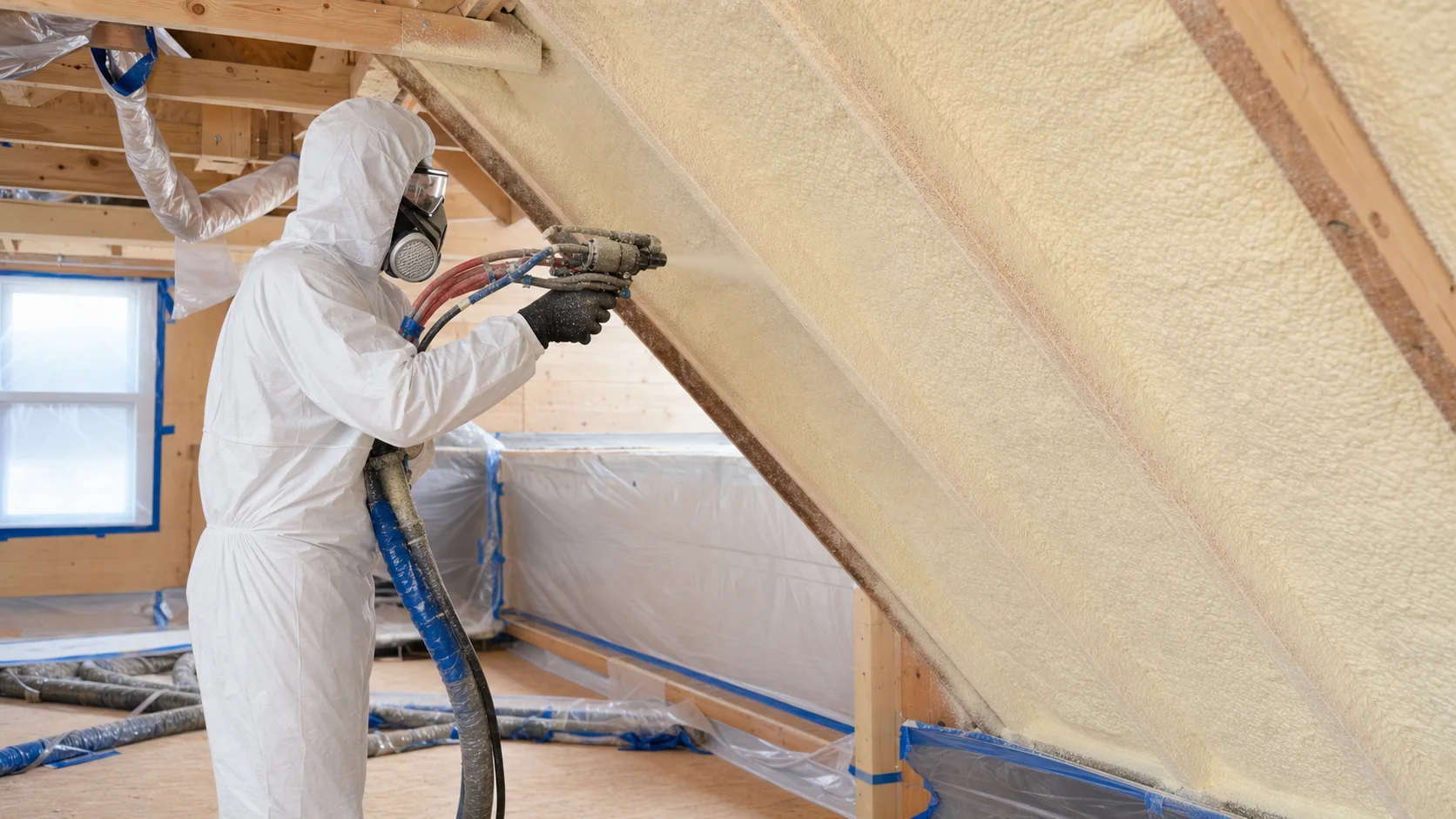


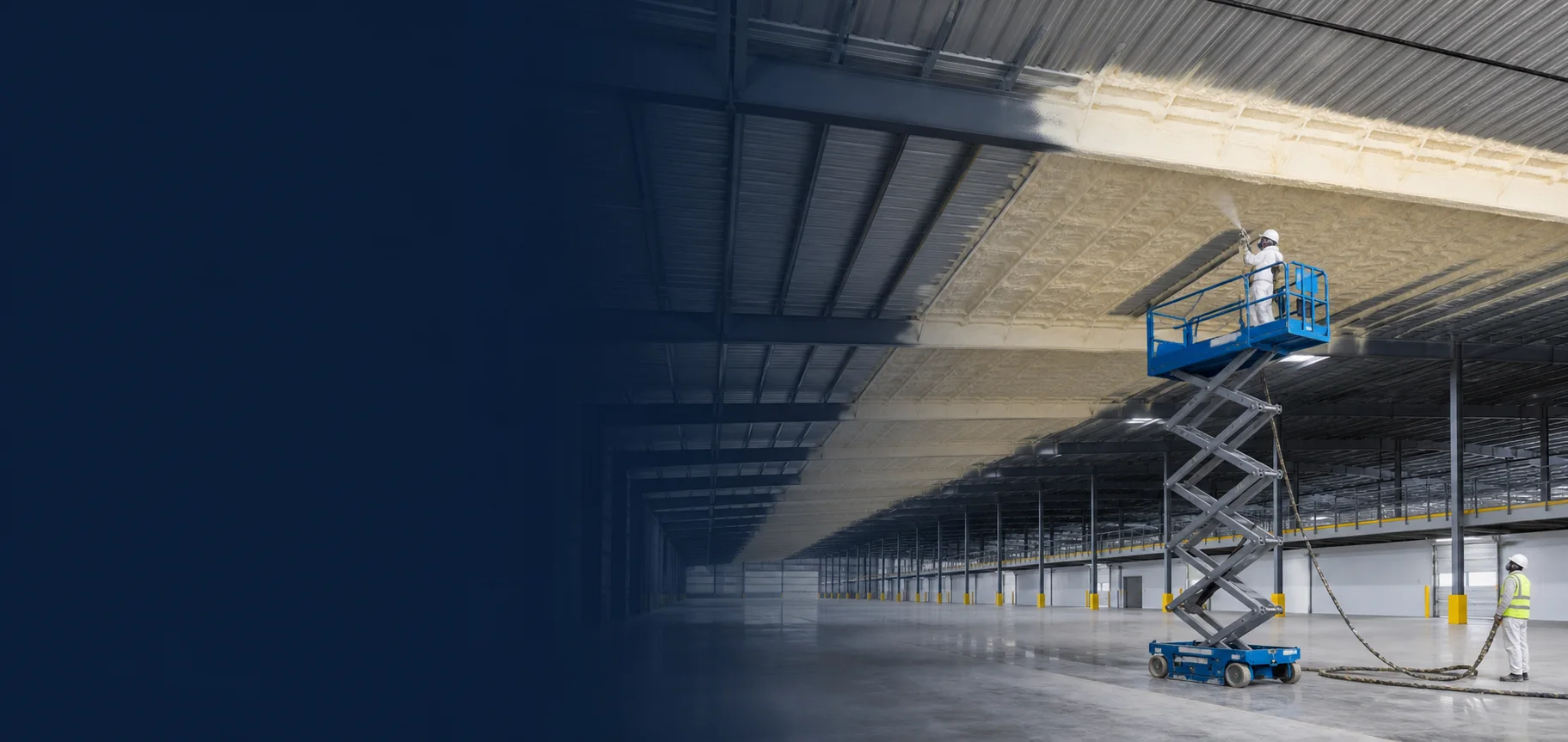
Isolation of warehouses with PUR foam – the termika of large cubatures without downtimes. The guide covers steel roofs, walls, work schedules, safety and staging of insulation in a commercial facility. The following guidelines guide the decision, but do not replace the design, substrate assessment or documentation of a specific product.
First, determine the function of the building element and its operating conditions, then select the system, thickness and method of construction control. Technical values, warranty scope and formal requirements should be checked in the current documents relevant to a given investment.

In a large building, insulation is part of the technological process
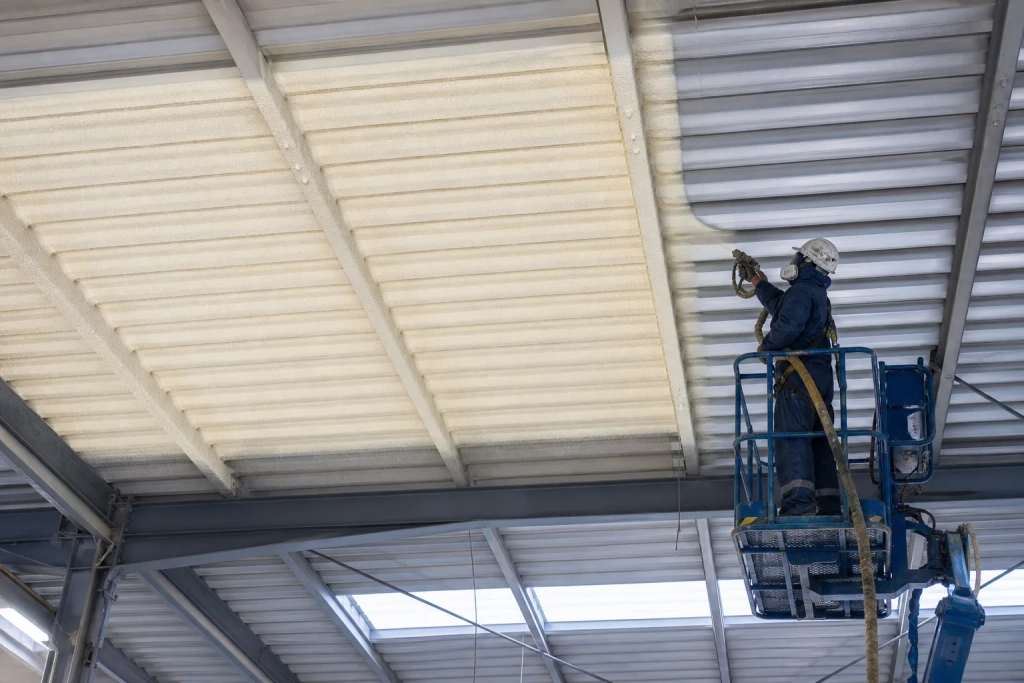
In a hall, warehouse or agricultural building, the design must start with the operating conditions: temperature, humidity, internal emissions, washing, ventilation, corrosivity and fire requirements. Reducing condensation requires controlling surface temperature and humidity, not just adding an arbitrary layer of foam.
Work on a large area should be divided into test fields and stages. Zone exclusions, protection of machinery and goods, ventilation, work at heights, substrate compatibility and how quality can be controlled without disrupting facility operations must be agreed upon.
What to check before making a decision
Subject PUR foam insulation of the hall the safest way is to compare solutions based on the same building element, the same assumptions and a clearly described scope. The list below helps you identify missing information before ordering work.
- Collect data on temperature, humidity, ventilation and how the facility is used.
- Confirm fire requirements and acceptable layer and cladding system.
- Execute the test field and check the preparation and adhesion of the substrate.
- Establish stageing, securing production, goods, animals and installations.
Most common errors and simplifications
- Promise to remove condensation without humidity and ventilation data.
- No test field on an old, soiled or corroded substrate.
- Omission of fire protection and work organisation plan.
If the offer or advice does not describe the limitations of the solution, it is worth asking for clarification. A reliable recommendation should indicate not only the advantages, but also the conditions of use, elements excluded from the scope and the method of acceptance.
Summary
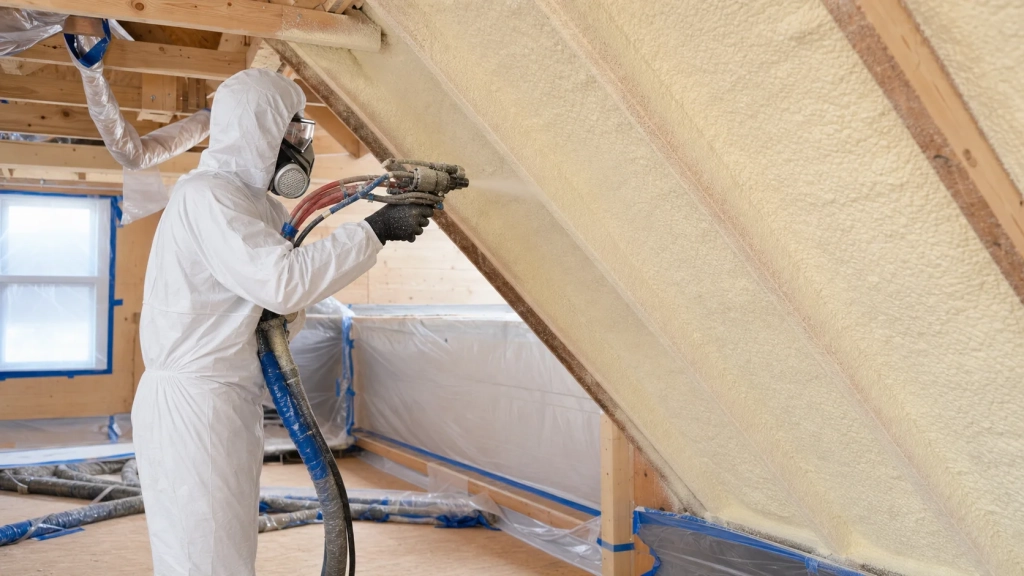
Good decision on PUR foam insulation of the hall combines the design, current material documentation and real conditions on the construction site. Before signing the contract, determine the product, scope of preparation, acceptance criteria and documents that you will receive after completion of the work.
FAQ
01
Will the foam itself eliminate condensation in the hall?
This cannot be guaranteed without an analysis of surface temperature, humidity, ventilation and thermal bridges. Insulation is just one part of the solution.
02
Does the subject have to stop working during the spray?
The scope of exclusions depends on the safety plan and organisation of works. The application zone must be separated from people, animals, sensitive products and processes.
03
Can you spray foam on an old sheet?
Only after assessing the condition, cleaning, and confirming compatibility and adhesion. In many cases, a trial field is needed.
Sources and timeliness
Knowledge status: 14/09/2026. The content is educational in nature. Confirm the final arrangement of layers and execution conditions in the design and current documentation of the specific foam system.
- ISAP – technical conditions to be met by buildings and their location
- US EPA – ventilation during spray application of polyurethane foam
- OSHA – risks for insulation and sealing of buildings
- silverFoam – technology and specifications of the silverFoam Ag40 system
- silverFoam — Comparing the applications of open-cell and closed-cell foam