


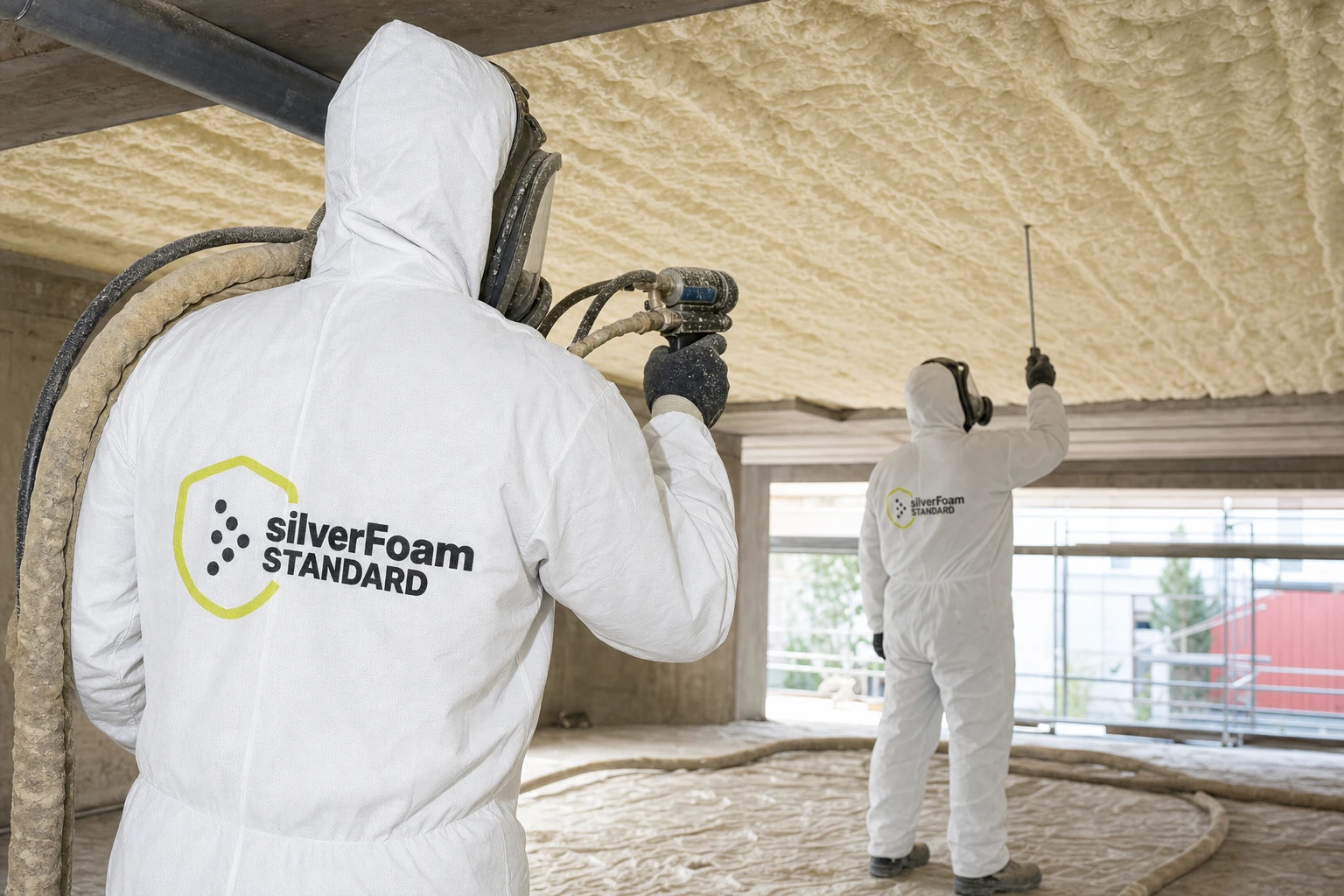
silverFoam blog – guides to PUR foam insulation is a guide prepared for a group: readers looking for practical, seasonal and comparative advice on insulation. The theme of the website includes a hub of long-tail articles that develops topics from landing pages and answers specific questions from investors, so the content guides the user from diagnosing the problem, through the selection of technology, to practical questions to the contractor.

Key information before the decision
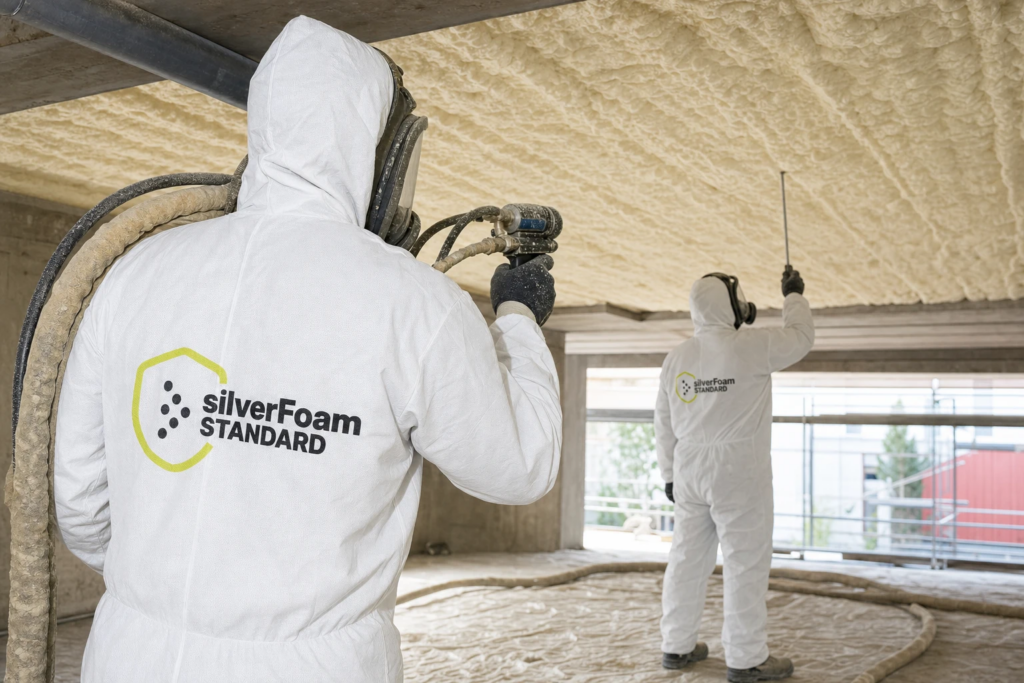
Spray PUR foam insulation works best as a complete system: material, surface preparation, application conditions, contractor's experience and acceptance of work. The name of the foam alone is not enough to assess the effect, because the continuity of the layer, the appropriate thickness and the fit of the product to a specific building element are also important.
In practice, an investor usually compares several offers that look similar at first glance. Differences appear only in the details: whether the type of foam, planned thickness, scope of protection, method of surface preparation, warranty conditions and the list of elements excluded from the work are provided. That's why the website has been built to make it easier to ask the right questions.
- movement from long tail SEO
- answers to current questions
- Internal link material
- more expert branding
When this range makes the most sense
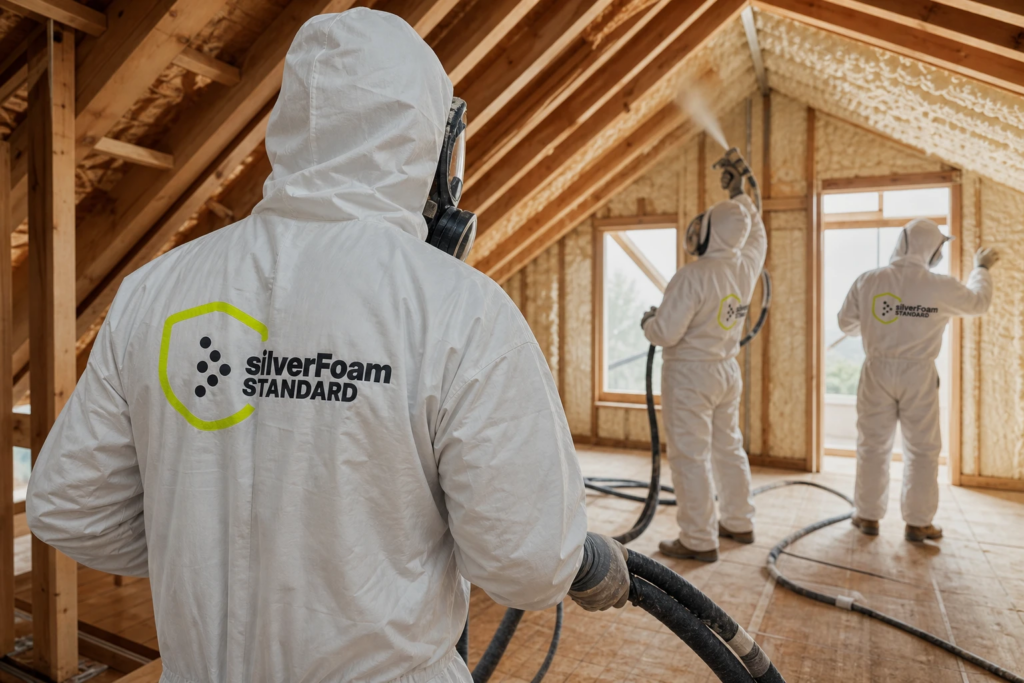
The greatest advantage of spraying is a continuous layer on surfaces that are difficult to precisely process with cut materials. This applies to slopes, joints, installation transitions and zones in wooden or steel structures. For the topic PUR foam blog It is particularly important to assess not only the meter, but also geometry and access to the partition.
If the problem is ventilation, condensation, unstable temperature, difficult cutting of insulation or a large number of details, PUR foam can reduce the number of critical places. However, this does not mean that every case is the same. In a new building, it is easier to plan the sequence of works, while in modernization it is necessary to take into account the existing layers, the condition of the structure and the way the rooms are used.
A good contractor should be able to explain why he proposes a given type of foam, what thickness he assumes and what conditions must be met before spraying. If the offer is limited to one number without a description of the scope, it is worth asking for clarification. This is especially important when comparing several contractors from different regions.
Product selection and parameters that are worth checking
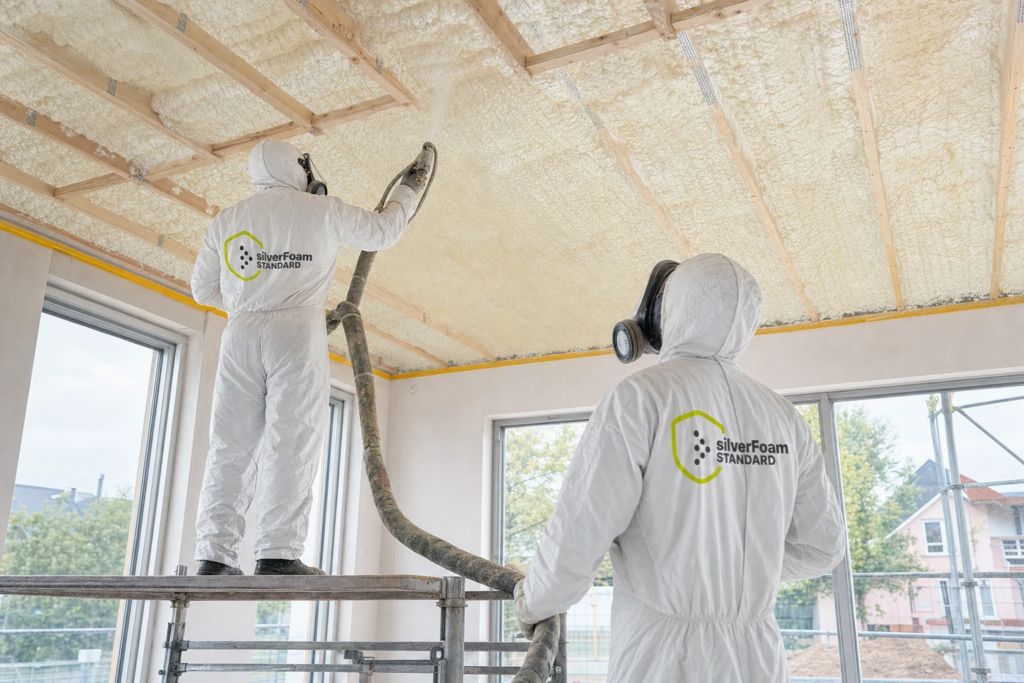
In spray insulation systems, primarily open-cell and closed-cell foams are compared. The first ones are light, flexible and often chosen for attics and interior building elements. The latter have a more compact structure, lower water absorption and work better in places exposed to moisture or higher loads. The final choice should depend on the function of the building element.
It is worth asking the contractor to indicate the material's technical data sheet, planned thickness, assumed thermal conductivity coefficient, temperature and humidity requirements, and information about the preparation of the substrate. If the investment is subject to a project, energy audit or co-financing, the parameters should be consistent with the documentation and current program requirements.
| Decision area | What to check | Why it's important |
|---|---|---|
| Foam type | Open-cell foam or closed-cell foam | influences mass, moisture behaviour and range of applications |
| Layer thickness | value in centimeters and performance tolerance | it is dependent on the thermal effect and comparability of offers |
| Floor | cleanliness, stability, humidity, access | application conditions affect the adhesion and continuity of the layer |
| Scope of work | security, details, cleaning, reception | full scope limits disputes after completion |
Process of cooperation with the contractor
The safest path begins with a description of the investment: location, building type, area, photos and expected date. On this basis, the contractor can assess the scope, indicate missing data and propose an inspection or a more accurate quote.
Before the application itself, it is necessary to determine who is responsible for preparing the surface, removing obstacles, securing windows, installations and finishing elements. It is also worth specifying ventilation, access to energy, where to park the equipment and how to document the thickness. These little details shorten the work time and help keep the construction site tidy.
After completing the works, the investor should check the continuity of the layer, critical connections, places near installations and zones that were less accessible. If something requires correction, it is best to report it immediately, before subsequent teams cover the insulation with boards, flooring or finishing layer.
Most common errors and how to avoid them
The most common mistakes include choosing only based on price, lack of data on the type and thickness of foam, omitting surface preparation and lack of photo documentation. Each of these elements makes it difficult to compare offers and to receive insulation later.
It is also worth being careful with promises that are too general. Good insulation improves comfort and can reduce heat loss, but the final effect depends on the entire building: joinery, ventilation, structural bridges, tightness of partitions and method of use. A reliable contractor should not promise the same result in every facility, but explain what can actually be improved.
The order of work is also important for the user. Insulation done too early may be damaged by subsequent crews, and done too late may make access to details difficult. Therefore, it is worth discussing the schedule before signing the order, especially in the case of larger investments or work carried out in stages.
Costs, profitability and comparison of tenders
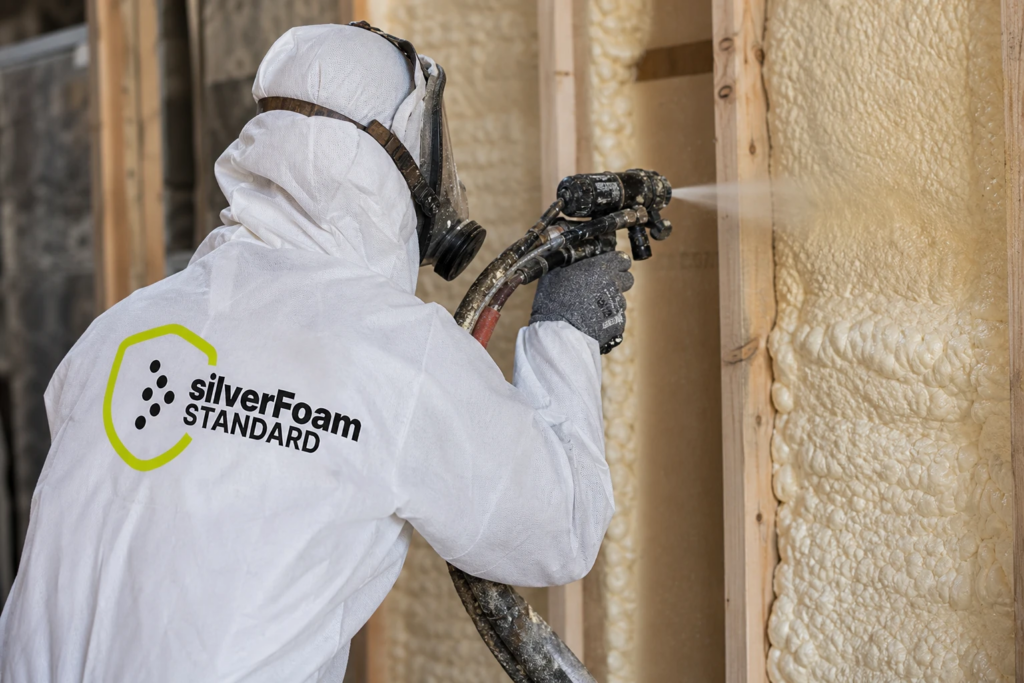
The cost of PUR foam insulation should not be analysed solely as the price per square metre. Also important are the thickness, type of material, surface geometry, working conditions, protection and the scope of preparation and acceptance. A cheaper offer may be less favorable if it covers less work.
Profitability is best assessed in the longer term: thermal comfort, reduction of losses, fewer places for ventilation, better protection of the structure and a more efficient schedule. When modernizing a house, it is worth combining insulation with an inspection of ventilation, joinery and heat sources, because only the whole gives a full picture of the energy effect.
If an investor uses a subsidy program, he or she should always check the current regulations, required parameters and list of documents on the official website of the program. The rules of support may change, so in silverFoam content it is safer to treat a donation as a process to be verified, rather than a fixed promise of a specific amount.
How to prepare an inquiry for silverFoam
A good enquiry includes the location, building type, description of the building element, area, photos and planned date. If you don't know all the details, please write what you are not sure about. The contractor will ask about the most important elements instead of preparing an offer based on incomplete assumptions.
silverFoam directs you to certified contractors and educational materials to make your decision more informed. The goal is not to sell one answer for each building, but to select a solution that suits the actual building element, working conditions and budget.
FAQ
Will PUR foam blog work in any building?
Not every building element requires the same solution. First, you need to assess the structure, humidity, access to the surface, expected layer thickness and whether the work will be carried out in a new building or during a modernization. Therefore, a good quote should start with a technical conversation, and not only with a question about square meters.
What depends on the price of the subject: Blog silverFoam – manuals on insulation PUR foam?
The price is influenced by the area, insulation thickness, foam type, degree of surface preparation, height and accessibility of the workplace, room protection and the possible need to stage the works. The approximate cost can be estimated initially with a calculator, but the final offer should result from an inspection or precise technical data.
How do I prepare the facility before the contractor arrives?
The most important thing is to make the surface accessible, remove loose elements, dry and clean the substrate, secure the installation and determine places that are not to be covered with foam. It is also worth preparing photos, dimensions and information about existing layers, because this speeds up the conversation and reduces the risk of misunderstandings.
Can you compare offers only at the price per metre?
Comparing the price per meter alone can be misleading if the offers include a different thickness, a different type of foam, different surface preparation or a different scope of protection. In practice, it is worth comparing the entire standard of workmanship: material, application conditions, thickness, documentation, deadline, experience of the team and method of accepting the work.
Summary
If you're interested PUR foam blog, consider this page as a starting point for a technical conversation. Prepare photos, basic dimensions and a description of the expected effect. Thanks to this, the contractor will select the type of foam faster, recommend the appropriate thickness and indicate the elements that need to be prepared before project.
Contact silverFoam at number +48 722 330 300 or go to the contractor's map to find a certified crew in your area.